

Bangladesh Becomes Eligible for US DFC Financing: What Does It Mean for the Country’s Economy and Investment Sector?
Bangladesh has opened a new window of opportunity for international investment after becoming eligible for financing from the United States International Development Finance Corporation (DFC).
On November 16, 2026, the US government-backed development finance institution announced Bangladesh’s eligibility for potential financing support for qualifying projects.
The development could create new opportunities for Bangladesh across infrastructure, energy, technology, manufacturing, and private-sector development. It may also help attract international investors by providing access to financial instruments designed to reduce investment risks and support commercially viable projects.
For Bangladesh, this represents an important step toward strengthening economic cooperation with the United States and expanding its access to international development finance.
What Is the US International Development Finance Corporation (DFC)?
The US International Development Finance Corporation (DFC) is a US government agency established in 2019 to support private-sector investment in developing and emerging markets.
Its primary objective is to mobilise private capital, support sustainable economic development, and encourage investment in strategically important sectors.
Unlike traditional development assistance programmes that primarily provide grants, DFC focuses on financial solutions that help businesses and development projects secure investment.
Its major financing instruments include:
- Investment Loans: Long-term financing for eligible businesses and development projects.
- Loan Guarantees: Financial guarantees that help reduce risks for lenders and investors.
- Political Risk Insurance: Protection against certain political and investment-related risks.
- Equity Investments: Direct investment in qualifying businesses and projects.
For example, a company planning to develop a power generation facility, manufacturing plant, or infrastructure project in Bangladesh may face difficulties securing long-term financing. DFC support could help make such projects more attractive to international lenders and investors.
Why Has Bangladesh Become Eligible for DFC Financing?
Bangladesh’s eligibility is linked to the broader economic cooperation framework between Bangladesh and the United States.
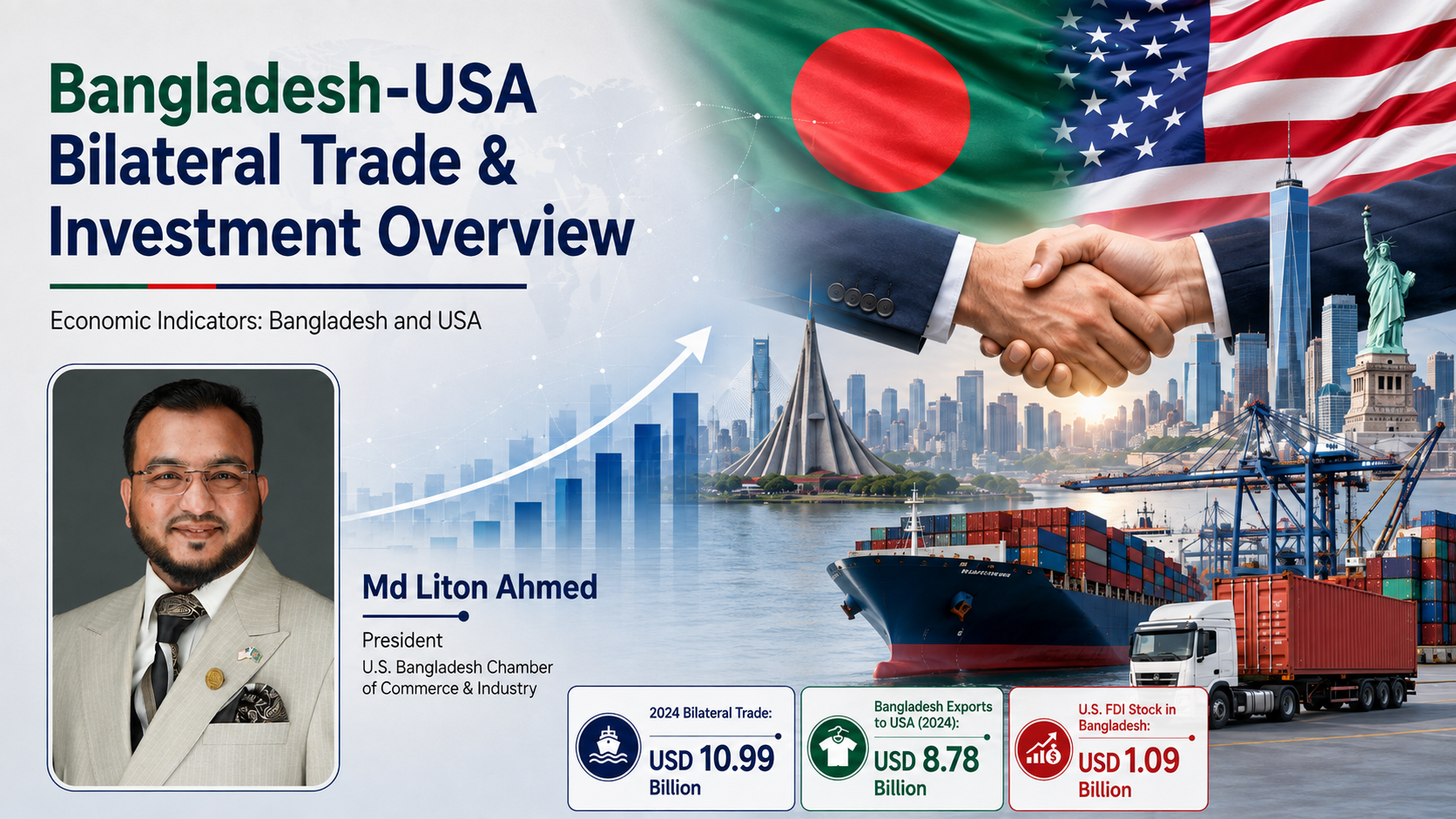
The Agreement on Reciprocal Trade (ART), signed on February 9, 2026, is an important part of this development.
The agreement includes provisions for exploring investment opportunities through institutions such as the US International Development Finance Corporation and the Export-Import Bank of the United States.
The decision also reflects broader US economic and strategic interests, particularly in strengthening economic partnerships, expanding investment in the Indo-Pacific region, and diversifying global supply chains.
For Bangladesh, access to DFC financing could strengthen its position as a potential destination for international investment.
Why Was Bangladesh Previously Outside This Financing Framework?
Bangladesh had previously faced restrictions regarding access to DFC financing.
In 2022, US officials raised concerns regarding labour rights, workplace safety, and freedom of association.
The Rana Plaza disaster in 2013 brought international attention to working conditions and labour standards in Bangladesh’s garment industry.
Since then, Bangladesh has undertaken several initiatives involving labour law reforms, workplace safety improvements, and engagement with the International Labour Organization (ILO).
These developments have contributed to changes in Bangladesh’s position.
However, becoming eligible for DFC financing does not mean that all concerns regarding labour standards and investment conditions have been resolved. Individual projects must still comply with applicable environmental, social, and labour-related requirements.
Which Sectors Could Benefit from DFC Financing?
Bangladesh’s eligibility could create opportunities across several important sectors. However, each project will be evaluated individually based on its financial viability, development impact, and compliance with DFC requirements.
1. Infrastructure Development
Major infrastructure projects, including transportation networks, ports, logistics facilities, and other essential infrastructure, could benefit from access to international financing.
2. Energy and Renewable Energy
Power generation, renewable energy, electricity distribution, and energy infrastructure could become important areas for potential investment.
3. Technology and Digital Infrastructure
Technology companies, digital infrastructure providers, and innovative businesses could explore opportunities to attract international capital and strategic partnerships.
4. Manufacturing and Industrial Development
Bangladesh’s manufacturing sector could benefit from potential investment in industrial facilities, production capacity, modern technology, and export-oriented industries.
5. Healthcare and Essential Services
Qualifying healthcare facilities and other essential service projects may also explore potential financing opportunities, subject to DFC’s investment priorities and requirements.
What Are the Requirements for Receiving DFC Financing?
Although Bangladesh has become eligible, this does not mean that every company or project will automatically receive financial support.
Projects must undergo an assessment process and meet the relevant eligibility criteria.
Key considerations may include:
Commercial Viability: Projects must demonstrate a sustainable business model and the potential to generate sufficient revenue.
Development Impact: Investments should contribute to economic development, employment generation, infrastructure improvement, or access to essential services.
Financial Additionality: DFC generally seeks to support projects that cannot obtain sufficient private financing on commercially reasonable terms.
Management Capability: Project sponsors and management teams should demonstrate relevant experience and the ability to successfully implement the proposed investment.
Environmental and Social Standards: Projects must meet applicable environmental, labour, human rights, and community protection requirements.
Strategic Alignment: Projects should align with DFC’s development objectives and applicable US strategic priorities.
These requirements are important for ensuring that financing supports sustainable and commercially responsible development.
How Much Investment Could Bangladesh Receive?
One of the most important questions is how much financing Bangladesh could potentially receive through DFC.
As of November 19, 2026, no specific financing allocation or guaranteed investment amount for Bangladesh has been announced in the information discussed here.
However, the broader financing capacity of DFC has expanded significantly.
Legislation signed in December 2025 increased DFC’s overall investment exposure limit from $60 billion to $205 billion.
This figure represents the institution’s global investment capacity, not an amount allocated specifically to Bangladesh.
The actual financing available to Bangladesh will depend on individual project proposals, investor participation, financial assessments, and final DFC approval.
Therefore, Bangladesh’s eligibility should be understood as access to a potential financing framework rather than a guaranteed financial commitment.
What Could This Mean for Bangladesh’s Economy?
Access to DFC financing could have broader implications for Bangladesh’s economic development and international business relationships.
Attracting Foreign Direct Investment (FDI)
Improved access to international development finance could encourage more foreign investors to explore opportunities in Bangladesh.
Supporting Infrastructure Development
Long-term financing and investment guarantees could help make large infrastructure projects more financially attractive.
Strengthening the Energy Sector
Investment opportunities in renewable energy, power generation, and energy infrastructure could support Bangladesh’s growing energy requirements.
Expanding Employment Opportunities
New investments in manufacturing, technology, infrastructure, and services could contribute to job creation and skills development.
Encouraging Private-Sector Growth
Local businesses may have greater opportunities to collaborate with international investors through joint ventures, strategic partnerships, and investment projects.
Strengthening Bangladesh-US Economic Relations
The development could create additional opportunities for economic cooperation between Bangladesh and American businesses.
However, these benefits will depend on how effectively Bangladesh develops investment-ready projects and improves its overall business environment.
Which South Asian Countries Are Eligible for DFC Financing?
Bangladesh is among several South Asian countries included in the DFC’s eligible country framework.
The six countries identified in the referenced report are:
- Bangladesh
- India
- Maldives
- Nepal
- Pakistan
- Sri Lanka
Afghanistan and Bhutan are not included in the referenced list.
This provides an opportunity for Bangladesh to strengthen its position as an investment destination within the wider South Asian region.
What Should Bangladesh Do Next?
Eligibility is only the beginning. Converting this opportunity into actual investment will require coordinated efforts from the government, private sector, financial institutions, and international business communities.
Several priorities should receive attention:
- Develop investment-ready projects with clear financial and commercial proposals.
- Improve regulatory transparency and the overall investment environment.
- Strengthen environmental, labour, and corporate governance standards.
- Encourage partnerships between Bangladeshi businesses and US investors.
- Promote strategic investment opportunities in manufacturing, infrastructure, energy, and technology.
- Establish stronger communication between project developers, financial institutions, and international investment organisations.
Bangladesh’s ability to prepare credible projects and attract experienced international partners will be critical to making the most of this opportunity.
Conclusion: A New Opportunity for Bangladesh’s Global Investment Ambitions
Bangladesh’s eligibility for US DFC financing represents a significant development in its international economic engagement.
It could create new opportunities to attract foreign investment, support private-sector expansion, strengthen infrastructure, and deepen economic cooperation with the United States.
However, eligibility alone does not guarantee financing or investment approval. The real challenge will be to transform this opportunity into viable projects that deliver measurable economic and social benefits.
With effective policies, transparent investment processes, and stronger international partnerships, Bangladesh could use this opportunity to strengthen its position in the global investment landscape.
For Bangladeshi businesses, entrepreneurs, and international investors, this development deserves close attention as a potential new avenue for investment and cross-border business collaboration.




Post a comment
Related Posts
October 30, 2026
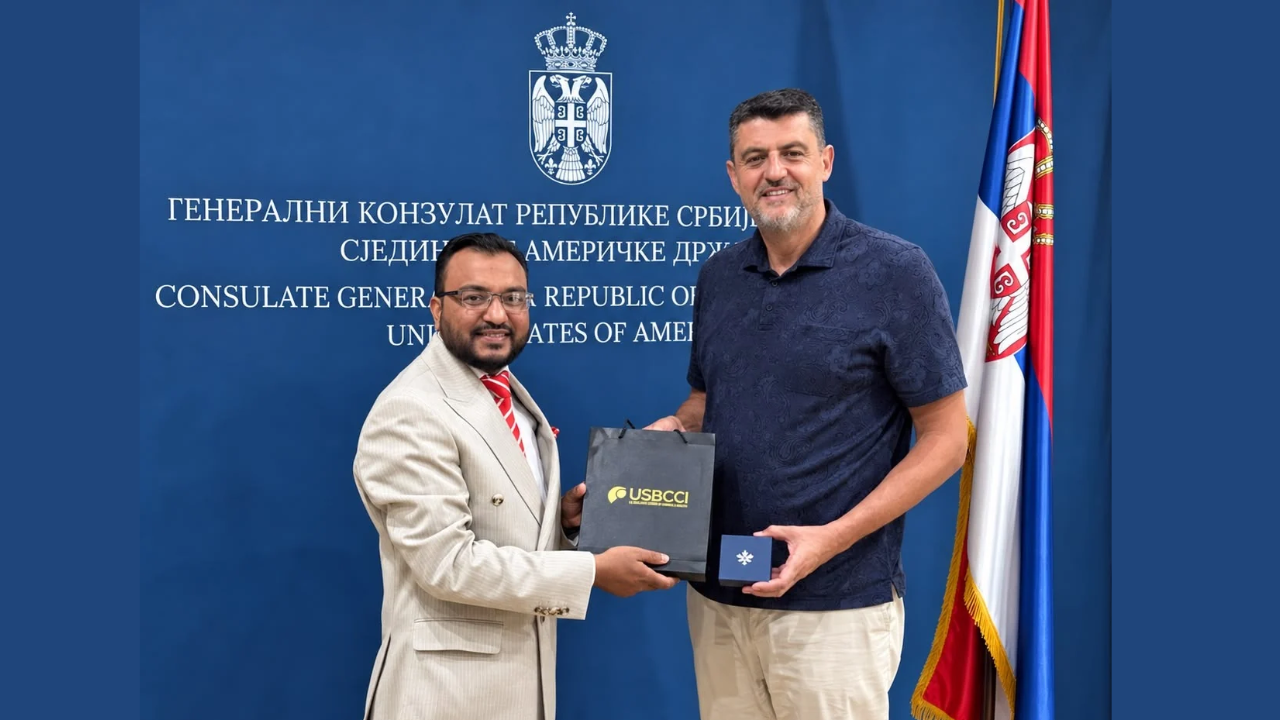
USBCCI Explores Trade, Investment and Bangladeshi Workforce Opportunities with Serbian Consul General
New York: Md. Liton Ahmed, President of the U.S.-Bangladesh Chamber of Commerce & Industry (USBCCI),…

May 19, 2026
USBCCI Signs MoU with Turkish American Chamber of Commerce and Industry USA at 3rd USBCCI Real Estate Expo 2026
USBCCI Signs MoU with Turkish American Chamber of Commerce and Industry USA at 3rd USBCCI…

May 19, 2026
USBCCI Signs MoU with Greater New York Chamber of Commerce at 3rd USBCCI Real Estate Expo 2026
USBCCI Signs MoU with Greater New York Chamber of Commerce at 3rd USBCCI Real Estate…

May 17, 2026
বিপুল উৎসাহ, ব্যাপক অংশগ্রহণ ও প্রাণবন্ত কমিউনিটি সাড়ায় সফলভাবে অনুষ্ঠিত হলো ৩য় ইউএসবিসিসিআই রিয়েল এস্টেট এক্সপো ২০২৬
বিপুল উৎসাহ, ব্যাপক অংশগ্রহণ ও প্রাণবন্ত কমিউনিটি সাড়ায় সফলভাবে অনুষ্ঠিত হলো ৩য় ইউএসবিসিসিআই রিয়েল এস্টেট…